
Moving to assisted living can bring relief, uncertainty, and a long list of practical decisions. A smoother transition usually comes from starting early, involving the future resident in choices, and planning for the first few weeks rather than treating move-in day as the finish line.
How far in advance should the move be planned?
Begin planning several weeks ahead when possible. A gradual process gives the resident time to sort belongings, review routines, prepare medications, and discuss concerns without feeling rushed.
Start with a simple planning conversation:
- What daily activities are becoming difficult?
- Which belongings are essential for comfort and identity?
- What does the resident want to continue doing independently?
- Who should help with decisions, packing, transportation, and follow-up?
- What questions remain about meals, medication support, activities, visitors, and emergencies?
If a move is needed quickly because of a fall, hospitalization, caregiver exhaustion, or a change in health, focus first on safety and basic comfort. Nonessential decisions can wait.
What should be measured before furniture is moved?
Measure the new living space before choosing furniture or packing large items. Floor plans, doorway widths, bathroom layouts, closet space, and available storage can differ considerably.
A practical room plan may include:
- A bed and bedside table
- A comfortable chair with firm support
- A small table for reading, meals, or personal items
- Clothing storage that is easy to reach
- Clear paths between the bed, bathroom, and doorway
- Adequate lighting for walking and reading
- A visible place for glasses, hearing devices, and a phone
Avoid filling the room immediately. Too much furniture can make walking more difficult and create trip hazards. Leave room for mobility aids, caregivers, and emergency access.
In older buildings or homes with narrow rooms, choosing smaller furniture may be especially helpful. Chester households may also need to account for seasonal clothing, including heavier coats and footwear during colder, wetter months.
Which belongings should be brought?
Bring familiar items that support comfort and daily routines, but avoid moving everything at once. A smaller, organized selection is usually easier to manage.
Useful items may include:
- Favorite photographs or artwork
- A familiar blanket or pillow
- A clock with large numbers
- A small radio, television, or music player
- Comfortable everyday clothing
- A preferred mug or set of personal toiletries
- Books, puzzles, craft supplies, or religious materials
- A calendar with family birthdays and planned visits
Label clothing and personal items when appropriate. Names can be written on clothing labels or attached to belongings in a way that does not damage them. Keep valuables and irreplaceable documents in a secure location rather than placing them casually in a new room.
It can help to create three groups: bring now, store for later, and donate or discard. The “store for later” group allows the resident to postpone difficult decisions.
How can medications and health information be organized?
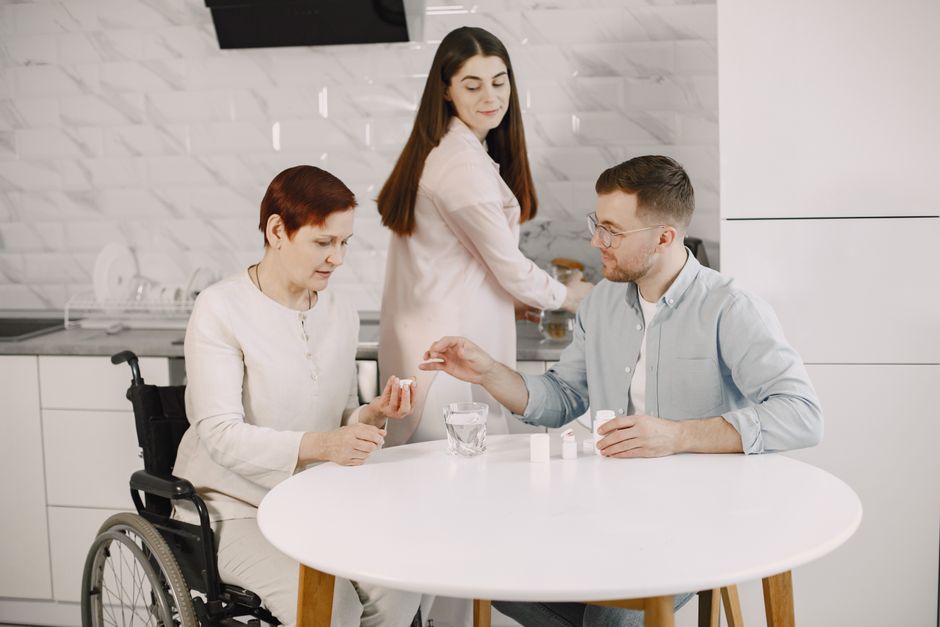
Medication information should be reviewed before move-in and updated whenever prescriptions change. Keep a current list that includes medication names, doses, timing, allergies, medical conditions, pharmacy instructions, and important contact information.
Bring questions about:
- Who administers or reminds the resident about medications
- How prescription changes are communicated
- What happens if a dose is missed
- How over-the-counter medicines are handled
- How changes in appetite, sleep, mood, or mobility are reported
- Which medical appointments require transportation or accompaniment
Do not place loose medication bottles in moving boxes without first understanding the residence’s medication procedures. A family member should also keep a current copy of the medication list.
A short health summary can be useful during the transition. It may include the resident’s usual sleep schedule, food preferences, communication needs, fall history, hearing or vision limitations, and signs that indicate discomfort or illness.
How should family members prepare for emotional changes?
Moving can feel like a loss of privacy, familiar surroundings, or independence even when assisted living is the safest option. Resistance, sadness, irritability, or confusion may appear before or after the move.
Family members can help by acknowledging those feelings without arguing. Instead of saying, “You will love it here,” try, “This is a major change, and it may take time to feel familiar.”
Other helpful steps include:
- Letting the resident choose where personal items go
- Maintaining familiar morning and evening routines
- Avoiding too many visitors during the first few days
- Listening for specific concerns rather than dismissing general frustration
- Keeping explanations short and consistent
- Celebrating small successes, such as attending a meal or finding a favorite activity
A familiar routine often provides more comfort than a heavily decorated room. If the resident normally wakes early, drinks tea in the afternoon, or takes a short walk after lunch, preserving those patterns can make the new setting feel less disruptive.
What should happen during the first week?
The first week should focus on orientation, safety, and observation. The resident does not need to participate in every activity immediately.
Help the resident learn:
- How to call for assistance
- Where meals are served
- How to reach the bathroom and common areas
- Where personal items are stored
- How to use the telephone or emergency alert system
- When and where activities take place
- Which staff members can answer routine questions
Make visits calm and purposeful. Bring needed items, help identify problems, and spend time listening. If several family members visit at once, the resident may become tired or overwhelmed.
Watch for practical concerns such as poor lighting, uncomfortable shoes, clothing that is difficult to fasten, missed meals, or confusion about the daily schedule. These details can affect adjustment more than expected.
How long does adjustment usually take?
Adjustment varies. Some residents begin settling in within days, while others need several weeks or longer. Familiarity often develops gradually through repeated meals, conversations, activities, and contact with staff.
Temporary changes in sleep, appetite, mood, or social participation can occur. However, a significant or persistent decline should not be assumed to be normal. Notify the appropriate care staff if the resident has repeated falls, new confusion, withdrawal, worsening sadness, refusal of food or fluids, or difficulty managing essential tasks.
Family members should also watch for changes that may reflect an underlying medical problem rather than simple homesickness. Sudden confusion, weakness, severe drowsiness, chest pain, breathing difficulty, or other urgent symptoms require prompt medical attention.
What paperwork and household details are easy to overlook?
Keep important information together in a secure folder or digital record. Depending on the resident’s situation, this may include:
- Emergency contacts
- Health insurance information
- Medication and allergy lists
- Advance care planning documents
- Identification and financial records
- Preferred healthcare contacts
- A list of regular personal routines
- Copies of keys or access instructions
- Information about pets, plants, mail, and the former residence
Arrange mail forwarding, utility changes, home maintenance, and transportation plans before or soon after the move. In a dense urban area, parking, building access, elevators, and weather conditions can affect the timing of move-in and family visits. Planning around rain, snow, heat, or icy walkways can reduce unnecessary strain.
How can the resident maintain independence?
Assisted living should support appropriate independence rather than replace every task automatically. Discuss which activities the resident wants to continue, such as choosing clothing, managing a calendar, folding laundry, walking to meals, or participating in hobbies.
Independence may look different after the move. A resident may no longer manage every household chore but may still make daily choices, organize personal belongings, select activities, and maintain relationships.
The most useful transition plan is flexible. As the resident becomes familiar with the new setting, routines and support needs can be adjusted to promote safety, dignity, and a sense of control.
