
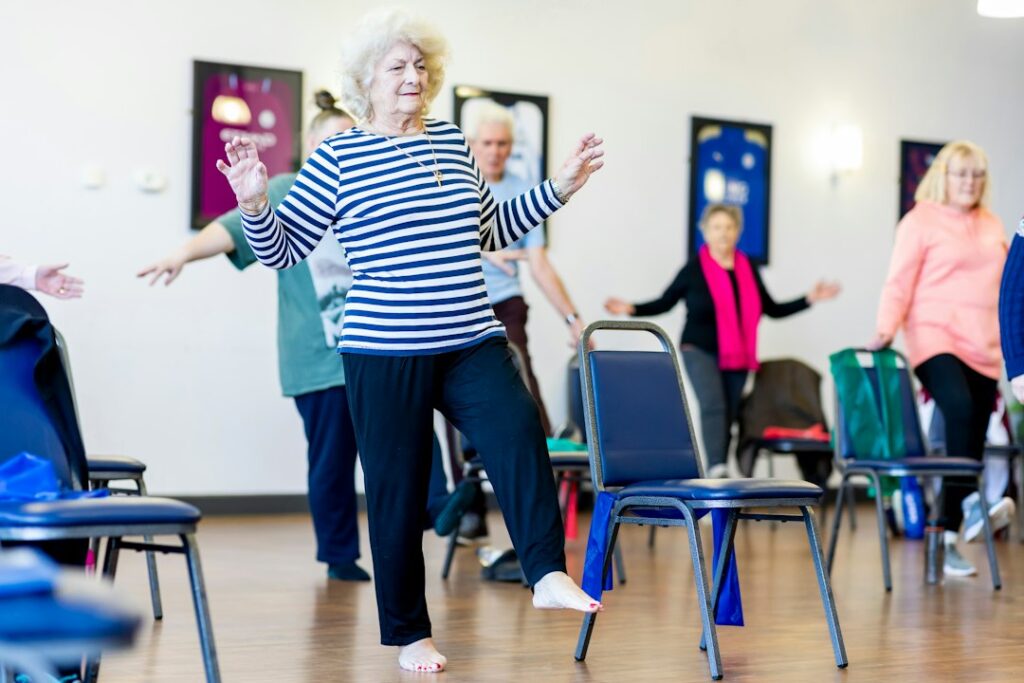
Assisted living can encourage an active lifestyle by making movement, social connection, and daily participation easier to maintain. The goal is not athletic performance. It is helping residents remain engaged in routines and activities that support strength, balance, confidence, mood, and independence.
For residents and families in Chester, PA, an active lifestyle may include walking safely indoors, joining a group activity, tending plants, helping with a household task, attending a worship service, or staying connected with neighbors and relatives. Assisted living communities often provide structure and support so these activities become part of ordinary life rather than occasional events.
What does “active living” mean in assisted living?
Active living includes physical movement, mental engagement, social participation, and meaningful daily responsibilities. A resident does not need to follow an intense exercise program to benefit.
Activities may include:
- Walking to meals instead of remaining in a room
- Participating in stretching, balance, or chair-based exercise
- Joining a card game, discussion group, or creative activity
- Helping set a table or organize personal belongings
- Spending time outdoors when conditions are comfortable
- Attending music, educational, spiritual, or cultural programs
- Visiting with other residents during meals or scheduled gatherings
This broader definition matters because abilities vary. A person who uses a walker, wheelchair, or mobility aid can still have an active routine. Participation should be adjusted to the resident’s comfort, energy, medical needs, and interests.
How does assisted living make movement easier?
Assisted living can reduce common barriers to everyday activity. Housing layouts may place dining rooms, lounges, activity areas, and outdoor spaces within a manageable distance. Seating areas, handrails, elevators, accessible bathrooms, and clear walking paths can help residents move with greater confidence.
Staff members may also provide reminders, encouragement, or limited assistance with transitions. That support can make it easier for a resident to attend an activity without taking over tasks the person can safely do independently.
A practical routine might include walking to breakfast, attending a morning exercise session, resting, and later joining a social activity. Regular movement spread throughout the day may be more realistic and sustainable than a single demanding workout.
Safety remains central. Slippery surfaces, poor lighting, clutter, uneven pavement, and unsuitable footwear can discourage movement or increase fall risk. During rainy, icy, or very hot weather, indoor walking routes and seated activities may provide safer alternatives.
What types of exercise are commonly available?
Programs differ, but many assisted living settings offer activities that address several parts of physical fitness:
- Strength: Light resistance exercises, sit-to-stand practice, and movements using safe equipment
- Balance: Supported standing exercises, weight shifting, and supervised walking
- Flexibility: Gentle stretching for the shoulders, hips, legs, and back
- Endurance: Walking groups, rhythmic movement, dancing, or longer low-intensity activities
- Coordination: Ball activities, guided movement, crafts, and games requiring controlled hand use
Chair-based exercise can be useful for residents who tire easily or have difficulty standing for long periods. It can still involve the arms, legs, trunk, and breathing while reducing the physical demands of standing.
Exercise should not cause sharp pain, unusual shortness of breath, dizziness, or chest discomfort. A resident’s care plan may need to account for arthritis, heart or lung conditions, balance limitations, recent surgery, medication effects, or memory-related concerns.
Why do social activities support an active lifestyle?
Social connection often makes activity more appealing and easier to maintain. Residents may be more likely to attend a walking group, game, class, or music program when they expect to see familiar people.
Group activities also provide conversation, encouragement, and a reason to leave a private room. This can be especially helpful for residents who are adjusting to a new living arrangement, grieving a loss, or experiencing reduced contact with family members.
Social participation does not have to mean joining a large group. Active engagement may involve having coffee with another resident, helping with a small project, visiting a shared garden area, or talking with staff during a routine task.
A schedule with varied options allows residents to choose activities based on energy level and preference. Some people enjoy organized programs, while others prefer quiet hobbies, one-to-one visits, or independent walks.
How can daily routines preserve independence?
Assisted living can support independence by offering the right amount of help rather than doing everything for the resident. For example, a person may be able to dress independently but need help selecting weather-appropriate clothing or fastening difficult buttons.
Maintaining safe responsibility can support confidence and physical function. Residents might:
- Choose clothing and personal items
- Walk to meals with an appropriate mobility aid
- Arrange belongings within easy reach
- Participate in simple kitchen, gardening, or decorating tasks
- Carry lightweight personal items safely
- Decide which activities to attend
- Help shape a daily schedule around rest and engagement

Families sometimes assume that more assistance always leads to better care. Excessive help, however, can unintentionally reduce opportunities to move, decide, and practice familiar skills. Support should promote safety while preserving as much participation as possible.
How do outdoor activities fit into life in Chester, PA?
Outdoor activity can provide fresh air, daylight, sensory stimulation, and a change of scenery. Depending on the setting, residents may sit in a courtyard, walk along a maintained path, tend container plants, or attend a seasonal gathering outdoors.
Weather affects how outdoor routines should be planned. Hot, humid days may require shorter outings, shade, hydration, and rest. Cold weather may call for layered clothing and shorter periods outside. Rain, wind, ice, and wet pavement can create hazards, so indoor alternatives are necessary rather than treating outdoor activity as an obligation.
Even a few minutes outside can feel meaningful when the area is comfortable, accessible, and supervised appropriately. Outdoor time may also support sleep patterns and mood by providing natural light during the day.
What if a resident is reluctant to participate?
Reluctance is common and does not always mean a person is unwilling to be active. Fatigue, pain, depression, anxiety, hearing loss, memory changes, fear of falling, or embarrassment about physical limitations may be factors.
A low-pressure approach usually works better than insisting on participation. Helpful adjustments may include:
- Offering a short activity instead of a full session
- Starting with a familiar interest, such as music or gardening
- Inviting the resident to observe before joining
- Choosing a quieter time or smaller group
- Allowing rest breaks
- Using adaptive equipment or seated options
- Connecting the activity to a personal history or former hobby
Changes in activity level should be taken seriously. A sudden decline, repeated falls, unusual tiredness, or withdrawal from previously enjoyed activities may warrant discussion with the resident’s healthcare team. The cause could be physical, emotional, medication-related, or environmental.
How can families support an active routine?
Families can encourage activity by asking about interests rather than focusing only on exercise. Questions such as “What would make the day more enjoyable?” or “Which activities feel comfortable?” may reveal better options than simply asking whether the resident attended a workout.
Practical support includes bringing comfortable clothing and properly fitted shoes, sharing information about past hobbies, visiting during an activity when appropriate, and recognizing participation rather than performance.
An active lifestyle in assisted living is built through ordinary opportunities: walking safely, making choices, staying socially connected, and continuing meaningful routines. The most effective approach respects individual ability while making movement and engagement a natural part of each day.
